
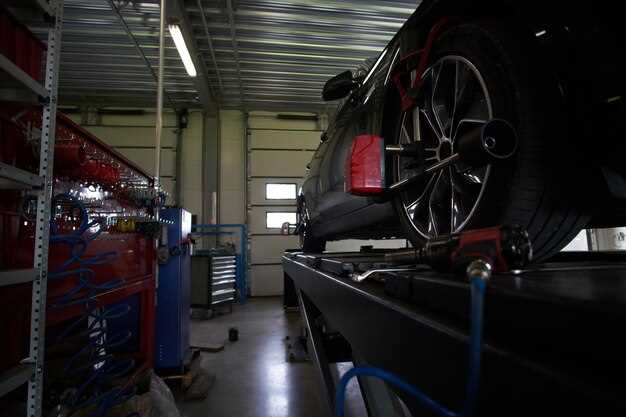
Maintaining the performance and longevity of exotic cars requires a keen understanding of various mechanical components, particularly tire alignment. Proper alignment is crucial for ensuring that tires wear evenly, optimizing handling and safety while maximizing tire life. With exotic vehicles often featuring higher power outputs and precision engineering, any misalignment can lead to significant issues, including uneven tread wear, decreased fuel efficiency, and compromised stability.
Tire alignment involves adjusting the angles of the wheels so that they are set to the car manufacturer’s specifications. This process is particularly important for exotic cars, as they are usually designed for optimal performance on both the road and track. When tires are not aligned correctly, drivers may notice a number of problems, such as pulling to one side, vibrations, and premature tire wear, which can detract from the exhilarating driving experience these vehicles are known for.
Moreover, uneven tire wear can lead to a cascade of problems that may escalate repairs costs and impact the overall performance of the vehicle. For exotic car owners, the cost of replacement tires can be significantly higher than conventional cars, making regular checks and proper alignment not just a matter of performance, but also of financial prudence. Understanding the intricacies of tire alignment allows owners to keep their high-performance machines in pristine condition and maintain an unparalleled driving experience.
Understanding Tire Alignment Basics for High-Performance Vehicles
Tire alignment is crucial for high-performance vehicles, as improper alignment can lead to uneven tire wear and compromised handling. High-performance cars are engineered for precision, and maintaining proper alignment ensures that all wheels are positioned correctly relative to each other and the road. This alignment is measured in angles, specifically camber, caster, and toe, which collectively affect how the vehicle interacts with the driving surface.
When tires are misaligned, they can create an uneven tread wear pattern, which not only shortens tire lifespan but also adversely impacts vehicle performance. For instance, negative camber can enhance cornering grip but may cause the inside edge of the tire to wear prematurely if not adjusted correctly. Similarly, incorrect toe settings can lead to instability and loss of control, particularly during high-speed maneuvers.
Regularly checking and adjusting the alignment in high-performance vehicles ensures optimal contact with the road, enhancing traction and responsiveness. As the suspension components age or components are replaced, alignment specifications may shift, making it essential to perform timely alignments as part of routine maintenance. By prioritizing proper tire alignment, drivers can enjoy improved handling, better fuel efficiency, and a safer driving experience.
Signs of Misalignment: How to Identify Issues Early
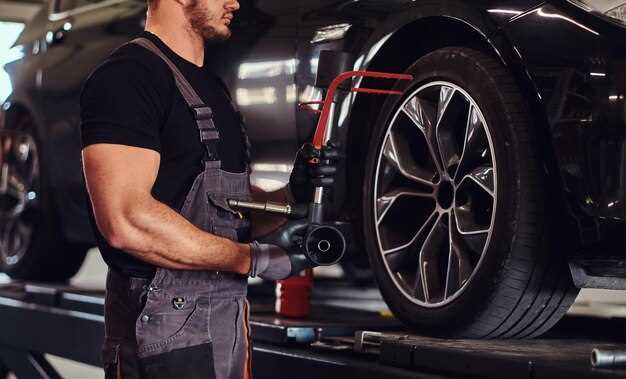
One of the critical aspects of maintaining exotic cars is monitoring tire alignment. Misalignment can lead to several issues, including uneven tire wear, which can significantly affect performance and safety. Recognizing the signs of misalignment early can save you from costly repairs and enhance your driving experience.
One major indicator of misalignment is uneven tire wear patterns. If you notice that one side of your tire is more worn than the other or that the tread is wearing down faster on the outer or inner edges, this could suggest an alignment issue. Regularly inspecting your tires can help you identify these discrepancies before they become a more significant problem.
Another sign to look out for is your vehicle pulling to one side while driving. If your exotic car drifts left or right even when you have a steady grip on the steering wheel, this may indicate that the wheels are misaligned. This pulling effect can compromise your ability to steer effectively, further emphasizing the importance of addressing alignment issues promptly.
Additionally, vibrations or a shaky steering wheel while driving can also point to misalignment. Such vibrations can result from uneven tire wear caused by improper alignment, affecting the overall comfort and stability of your ride. It is essential to have your alignment checked if you experience these symptoms.
In summary, keeping an eye out for uneven tire wear, vehicle pulling to one side, and vibrations in your steering wheel can help you identify misalignment issues early. Promptly addressing these problems will ensure that your exotic car performs optimally and remains in excellent condition.
The Impact of Misalignment on Tire Wear Patterns
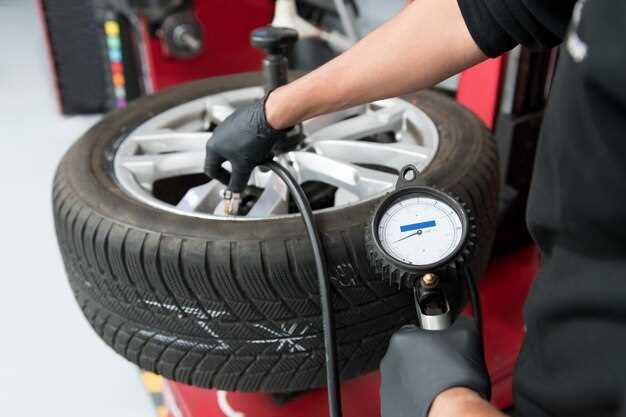
Tire alignment plays a crucial role in the overall performance and longevity of a vehicle’s tires. For exotic cars, where precision engineering is paramount, proper alignment is even more critical. Misalignment can lead to uneven tire wear patterns, causing premature tire replacement and compromised handling.
When the wheels are misaligned, various issues arise, notably affecting how tires contact the road. This improper contact leads to distinctive wear patterns that can be categorized as follows:
- Camber Wear: When the top of the tire leans inward or outward, it can result in excessive wear on one edge of the tire. This can be particularly pronounced in exotic cars that have a performance-oriented suspension.
- Toe Wear: If the front or rear tires point inward or outward instead of being parallel, this misalignment can cause the tire tread to wear unevenly across the entire width of the tire.
- Patch Wear: A misalignment may lead to a “patch” of tread wearing down faster than the rest, creating a bald spot. This type of wear can significantly affect traction and stability.
Detecting misalignment is essential for maintaining optimal vehicle performance and tire health. Signs of misalignment include:
- Pulling to one side while driving.
- Uneven tread wear across the tires.
- Vibrations in the steering wheel at certain speeds.
Regular checks and adjustments of tire alignment not only enhance tire durability but also ensure better handling and safety. Exotic cars deserve careful attention to alignment to uphold their performance standards and maintain their value.
Optimal Alignment Settings for Different Exotic Car Models
Correct alignment settings are crucial for ensuring the performance and longevity of exotic cars. These high-performance vehicles often come with specific alignment requirements that differ from standard automobiles. Below are recommended optimal alignment settings for a selection of popular exotic car models:
-
Ferrari 488 GTB
- Camber: -1.5 degrees front, -1.0 degrees rear
- Toe: 0.1 degrees front, 0.0 degrees rear
- Castor: 7.0 degrees
These settings promote better cornering grip while minimizing tire wear, allowing the 488 GTB to perform at its peak on both the road and track.
-
Lamborghini Huracán
- Camber: -2.0 degrees front, -1.5 degrees rear
- Toe: 0.0 degrees front, 0.1 degrees rear
- Castor: 6.5 degrees
Proper alignment for the Huracán emphasizes high-speed stability and responsiveness, essential for its dynamic driving experience.
-
Porsche 911 Turbo S
- Camber: -1.0 degrees front, -0.8 degrees rear
- Toe: 0.3 degrees front, 0.0 degrees rear
- Castor: 7.2 degrees
These settings help in achieving optimal traction and performance, decreasing uneven wear on tires during spirited driving.
-
Mclaren 720S
- Camber: -2.2 degrees front, -1.5 degrees rear
- Toe: 0.0 degrees front, 0.0 degrees rear
- Castor: 7.0 degrees
Alignment setups for the 720S enhance cornering stability and provide precise steering feedback while managing tire wear effectively.
Ensuring that the alignment settings are optimal for your exotic car model not only enhances performance but also significantly reduces tire wear, extending the life of your tires and maintaining the vehicle’s handling characteristics.
Cost Implications of Neglecting Tire Alignment on Luxury Cars
Proper tire alignment is crucial for the performance and longevity of luxury vehicles. Neglecting this essential maintenance can lead to a range of financial repercussions, primarily attributed to uneven tire wear and compromised handling.
When the alignment of luxury cars is off, tires can wear unevenly, causing the driver to replace them more frequently. This not only raises the cost of ownership but may also affect the resale value of the vehicle. Luxury tires, often designed for superior performance, come with a higher price tag, making premature replacement an expensive oversight.
Furthermore, misaligned tires can lead to additional strain on critical components of the vehicle, including suspension and steering systems. Repairing or replacing these components can incur significant costs, often running into thousands of dollars. Over time, these expenses can accumulate and significantly affect your overall investment in the car.
| Cost Factors | Estimated Cost |
|---|---|
| Uneven Tire Replacement | $800 – $2,000 |
| Suspension Repairs | $1,000 – $3,000 |
| Increased Fuel Consumption | $200 – $500/year |
| Resale Value Depreciation | $1,500 – $5,000 |
In summary, the cost implications of neglecting tire alignment on luxury cars are substantial. Regular checks and timely adjustments not only enhance the driving experience but also safeguard against expensive future repairs and maintenance. Investing in proper alignment is a proactive approach to preserving the quality and performance of high-end vehicles.
Maintaining Tire Alignment: Best Practices for Exotic Car Owners
For exotic car owners, proper tire alignment is crucial not only for performance but also for maximizing the lifespan of your tires. Misalignment can lead to uneven wear, reducing grip and handling capabilities, which are essential for high-performance vehicles.
One of the best practices for maintaining tire alignment is to regularly inspect your car’s alignment settings. Most experts recommend checking alignment at least every 6,000 miles or whenever you notice signs of uneven tire wear, such as bald patches or increased road noise. Utilizing specialized equipment at a trusted garage will provide the most accurate results.
Another important aspect is the adjustment of tire pressure. Keeping the tires inflated to the manufacturer’s recommended pressure ensures that the vehicle maintains optimal contact with the road, thereby promoting good alignment and minimizing asymmetric wear. Exotic cars are often fitted with performance tires that require precise conditions to function well, making correct tire pressure even more critical.
When driving, especially on uneven surfaces or during aggressive maneuvers, pay attention to how your exotic car responds. If you feel vibrations or notice the steering wheel pulling to one side, it’s time to have your alignment checked. Ignoring these signs can lead to more severe issues, including further alignment degradation and increased tire replacement frequency.
Finally, consider a professional alignment service that understands the specifics of exotic vehicles. These specialists can perform both a visual inspection and a comprehensive analysis of the alignment settings, ensuring your car remains in peak condition. Regular maintenance and adherence to these best practices will help keep your exotic car performing at its best while extending the life of your tires.