

When it comes to supercars, the engine is the heart that powers these high-performance machines. However, this heart can sometimes experience a range of issues that may compromise performance and reliability. Understanding common supercar engine problems is crucial for any owner or enthusiast, as it allows for timely diagnostics and preventative measures that can save both time and money in the long run.
From overheating to oil leaks, supercar engines face challenges that are often more complex than those found in standard vehicles. The advanced technology and high-performance components that distinguish supercars also mean that their engines can be more sensitive to wear and tear. Identifying these issues early on can lead to effective solutions and ensure that your supercar remains a thrill to drive.
Proper diagnostics play a vital role in maintaining engine health. Many supercars are equipped with sophisticated onboard systems that can help pinpoint problems before they escalate. Regular checks and maintenance are key to keeping the engine in optimal condition, giving owners peace of mind as they unleash the power of their vehicles on the road.
Identifying Overheating Issues in Supercar Engines
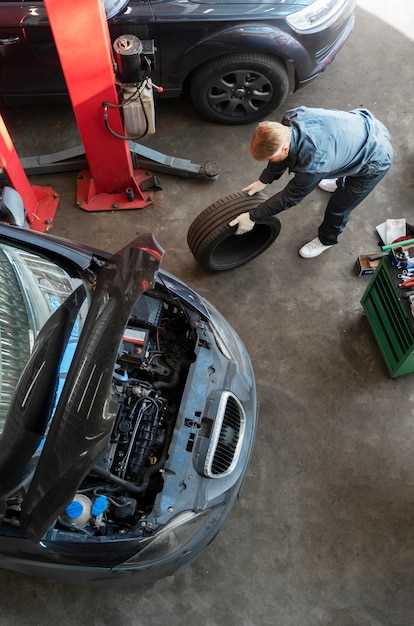
Overheating is a critical issue that can lead to engine failure in supercars. The performance-driven nature of these vehicles means that their engines operate under extreme conditions. Identifying overheating issues early can prevent costly repairs and extensive damage. Here are key symptoms and diagnostics to consider.
The first indication of an overheating problem is usually the temperature gauge on the dashboard. If it pushes into the red zone, immediate action is required. Additionally, unusual sounds, such as knocking or pinging from the engine, may signal overheating. Another symptom includes the presence of steam or smoke from the engine compartment.
| Symptom | Possible Cause | Recommended Action |
|---|---|---|
| High temperature gauge reading | Low coolant level or coolant leak | Check coolant levels and inspect for leaks |
| Steam or smoke | Overheated coolant or engine oil | Turn off the engine and allow it to cool; check levels |
| Unusual noises | Detonation due to overheating | Conduct diagnostics to identify the source of detonation |
| Warning lights | Engine overheating detection system activated | Pull over safely and turn off the engine; seek professional help |
Regular diagnostics are essential to maintain optimal engine performance. Check the cooling system components, including hoses, radiator, and thermostat. Insufficient airflow due to blocked grills or damaged fans can also contribute to overheating. Regular maintenance and prompt attention to warning signs are vital in avoiding engine failure due to overheating.
Understanding Oil Leaks and Their Impact on Performance
Oil leaks are a common issue faced by supercar owners, significantly impacting the overall performance and reliability of high-performance engines. These leaks can originate from various sources, including worn seals, gaskets, or damaged components. Identifying and addressing the root cause of an oil leak is critical to maintaining engine integrity and preventing catastrophic failures.
When oil escapes from the engine, it not only reduces the lubrication needed for optimal performance but also leads to a decrease in engine efficiency. Insufficient oil levels can result in increased friction among moving parts, causing overheating and potential engine failure. The long-term consequences of neglecting oil leaks may include expensive repairs or even complete engine replacement.
In addition to mechanical failures, oil leaks can have environmental impacts. Drained oil can create hazardous conditions, affecting both the vehicle’s surroundings and the ecosystem. Furthermore, oil stains on driveways or roads can lead to costly clean-up operations and possible legal implications for the vehicle owner.
To mitigate the effects of oil leaks, regular inspections and maintenance play a vital role. Checking oil levels frequently, monitoring for visible leaks, and using high-quality engine oil can help extend engine life and maintain performance. Prompt attention to any signs of leakage will minimize the risk of failure, ensuring that your supercar remains in peak condition.
In conclusion, understanding and addressing oil leaks is crucial for the performance of supercar engines. Regular maintenance and vigilant monitoring can prevent serious issues, ultimately preserving the vehicle’s value and reliability.
Diagnosing Electrical Failures in High-Performance Engines
Electrical issues in high-performance engines can significantly impact performance, efficiency, and reliability. Effective diagnostics are essential for identifying and resolving these failures promptly. Common electrical problems include faulty sensors, damaged wiring, and issues with the engine control unit (ECU).
Begin by inspecting the battery and charging system, as these provide the necessary power for engine function. Ensure that connections are clean and tight, and check for any signs of corrosion. A weak battery can lead to insufficient power, causing erratic engine behavior.
Next, rely on diagnostic tools such as OBD-II scanners to retrieve trouble codes from the ECU. These codes provide invaluable information about which systems may be malfunctioning. Focus on critical sensors like the mass airflow sensor (MAF), throttle position sensor (TPS), and oxygen sensors, as they play a crucial role in the engine’s performance.
Investigate wiring harnesses for any visible damage, wear, or exposure to heat, which can cause shorts or open circuits affecting sensor readings. Perform continuity tests using a multimeter to ensure that electrical signals are correctly transmitted throughout the engine system.
Additionally, assess the condition of ignition components, including coils, spark plugs, and wiring. Faulty ignition elements can lead to misfires or poor engine performance. Replacing worn components can often resolve symptoms related to electrical failures.
Implementing systematic diagnostics and regularly maintaining electrical systems can enhance the longevity and efficiency of high-performance engines, ultimately delivering better driving experiences. Always refer to manufacturer specifications and repair manuals for guidance specific to each supercar model.
Common Fuel System Troubles and Quick Fixes
The fuel system in a supercar is crucial for optimal engine performance and efficiency. Common issues can lead to significant failures that impact the driving experience. Understanding these troubles and their quick fixes can prevent costly repairs and maintain your vehicle’s power.
One frequent problem is clogged fuel filters. Dirt and debris can build up over time, obstructing fuel flow and causing engine stalling or rough idling. A quick solution is to replace the fuel filter regularly, ensuring a clean supply of fuel to the engine.
Another common issue is a failing fuel pump. If you notice difficulty starting the engine or a loss of power during acceleration, this may be the culprit. The quick fix involves testing the pump’s voltage and replacing it if necessary, restoring fuel pressure to the engine.
Fuel injectors can also experience problems. Clogged or dirty injectors can lead to poor fuel atomization, resulting in engine misfires and increased emissions. A quick solution is to use a fuel injector cleaner or have them professionally cleaned to ensure proper operation.
Additionally, fuel line leaks can pose a serious threat to the engine’s functionality and safety. Signs include fuel odors or visible wet spots along the lines. Quick action involves inspecting for damage and replacing any corroded or worn hoses to prevent further issues.
Lastly, improper fuel quality can cause engine performance issues. Using low-quality or incorrect fuel can lead to knocking or knocking during acceleration. Always ensure to fill your supercar with high-octane fuel as recommended by the manufacturer to avoid these problems.
Recognizing Signs of Turbocharger Malfunction
Turbochargers are critical components in supercars, enhancing engine performance and efficiency. However, like any mechanical part, they can experience malfunctions. Identifying the signs of a failing turbocharger early can prevent severe engine damage and costly repairs. Here are key indicators to watch for:
- Reduced Power and Acceleration:
If you notice a significant drop in power or sluggish acceleration, it may indicate a turbo issue. The engine may struggle to produce the expected power, as the turbocharger’s ability to compress air is compromised.
- Excessive Exhaust Smoke:
Black, blue, or white smoke from the exhaust can signify turbo problems. Black smoke usually indicates too much fuel, while blue smoke suggests oil burning due to a failing turbo seal. White smoke can indicate coolant entering the system.
- Whining or Unusual Noises:
A high-pitched whining sound or unusual rattling noises when the engine is running can indicate a faulty turbocharger. These noises often arise from worn bearings or other internal issues.
- Check Engine Light:
Modern vehicles are equipped with sensors that monitor turbocharger performance. If these sensors detect abnormal conditions, the check engine light may illuminate, signaling the need for further diagnostics.
Regular maintenance and diagnostics are essential to prolong the life of your turbocharger. If you notice any of the above signs, consult with a qualified mechanic immediately. They can perform a comprehensive diagnostics check to identify and resolve the issue before it escalates.
Engine Diagnostics: Tools and Techniques for Supercar Owners

For supercar owners, maintaining optimal performance and reliability is crucial. Engine diagnostics plays a vital role in identifying issues before they escalate into major problems. Utilizing the right tools and techniques can significantly enhance your ability to monitor your supercar’s engine condition.
One of the most essential tools for engine diagnostics is an OBD-II scanner. This device connects to your car’s onboard computer and retrieves trouble codes related to engine performance, emissions, and other critical systems. Modern supercars are equipped with advanced electronics, making these diagnostic codes invaluable for pinpointing issues.
Another must-have tool is a multimeter. This device allows you to measure various electrical parameters, such as voltage, current, and resistance, which can help diagnose electrical faults within the engine system. Understanding how to use a multimeter effectively can aid in troubleshooting components like sensors and ignition systems.
Additionally, a pressure gauge can be utilized to check fuel and compression pressures. Low fuel pressure can indicate a failing fuel pump or clogged filters, while low compression in the cylinders may signal serious internal engine problems. Regularly testing these aspects can provide early warnings of potential failures.
For more advanced diagnostics, investing in software that supports factory-level diagnostics can be beneficial. These programs often provide in-depth analysis and troubleshooting steps tailored to specific makes and models, allowing for a more thorough understanding of engine behavior.
Moreover, visual inspections shouldn’t be overlooked. Regularly checking for fluid leaks, worn belts, and overall engine cleanliness can help in identifying issues early on. Combining visual inspections with electronic diagnostics creates a comprehensive approach to engine health.
Techniques such as data logging can further enhance your diagnostics. By recording data during different driving conditions, you can analyze performance trends and detect irregularities that may not be apparent during a single diagnostic session.
Ultimately, developing a systematic approach to engine diagnostics enables supercar owners to maintain their vehicles effectively. By leveraging the right tools and techniques, you can ensure your supercar remains not only a symbol of performance but also a reliable machine.