

In the world of automotive engineering, carbon fiber has emerged as a revolutionary material, redefining the standards of performance and design. One of the most significant advantages of carbon fiber body panels is their remarkable weight reduction compared to traditional materials, such as steel and aluminum. This lightweight characteristic not only enhances acceleration and handling but also contributes to improved fuel efficiency, making it an attractive choice for both performance enthusiasts and eco-conscious drivers alike.
Beyond its weight benefits, carbon fiber offers exceptional strength and durability. Body panels made from this advanced fiber are resistant to corrosion and wear, ensuring that vehicles maintain their aesthetic appeal and structural integrity over time. These panels endure harsh conditions while providing a sleek, modern look that elevates any car’s aesthetic. Understanding how to care for and maintain carbon fiber body panels is crucial to preserving their unique properties and appearance.
This guide will delve into the various benefits of carbon fiber body panels, while also providing practical care tips to help you keep them in pristine condition. By embracing the advantages of this innovative fiber, you can maximize your vehicle’s performance and longevity.
Understanding Weight Savings with Carbon Fiber
Carbon fiber is renowned for its remarkable strength-to-weight ratio, making it a popular choice in various industries, especially automotive and aerospace. When manufacturers replace traditional materials like steel or aluminum with carbon fiber, the significant weight savings can lead to enhanced performance and fuel efficiency.
Weight reduction is crucial in vehicle design, as it directly impacts acceleration, handling, and braking. A lighter vehicle requires less energy to move, which can lead to better fuel economy and reduced emissions. This is particularly beneficial in performance cars, where every ounce counts in achieving optimal speed and agility.
Additionally, carbon fiber’s stiffness allows for the creation of thinner panels without compromising structural integrity. This not only contributes to weight savings but also improves aerodynamics, further enhancing vehicle performance. The ability to design components that are lightweight yet strong supports innovative designs and efficient energy management.
Furthermore, the long-term durability of carbon fiber panels offers additional benefits. Unlike traditional materials that may rust or corrode, carbon fiber is resistant to such damage, contributing to the longevity of the vehicle and reducing maintenance costs over time. This endurance ensures that the weight savings achieved at the outset are maintained throughout the lifespan of the product.
In summary, the adoption of carbon fiber in body panels results in substantial weight savings, which translates into improved vehicle dynamics, fuel efficiency, and lower lifecycle costs. Understanding these benefits helps consumers and manufacturers recognize the value of investing in carbon fiber technologies.
Durability and Resistance of Carbon Fiber Materials
Carbon fiber materials are renowned for their exceptional durability and resistance properties, making them a popular choice in various industries, especially in automotive manufacturing. Here are some key aspects highlighting their advantages:
- High Strength-to-Weight Ratio: Carbon fiber boasts a remarkable strength-to-weight ratio, significantly outperforming traditional materials like steel and aluminum. This characteristic allows manufacturers to reduce vehicle weight while maintaining structural integrity.
- Corrosion Resistance: Unlike metals, carbon fiber does not corrode or oxidize when exposed to moisture and harsh environmental conditions. This resistance ensures longevity and minimal maintenance costs.
- Impact Resistance: Carbon fiber panels can absorb and dissipate energy upon impact, offering superior protection against dents and damage compared to conventional materials.
- Thermal Stability: Carbon fiber performs effectively across a wide range of temperatures, maintaining its properties in both high and low extremes, which is crucial for automotive applications.
Investing in carbon fiber body panels leads to not only performance enhancements but also significant savings in fuel consumption over time due to the reduction in overall weight. This combination of durability, resistance, and efficiency makes carbon fiber an excellent choice for those looking to enhance their vehicle’s longevity and performance.
Cost-Benefit Analysis of Carbon Fiber Body Panels

When considering the adoption of carbon fiber body panels, a thorough cost-benefit analysis is essential. The initial investment in carbon fiber components is typically higher than that of traditional materials like steel or aluminum. However, the long-term advantages can justify this upfront cost, particularly when evaluating performance and durability.
One of the primary benefits of carbon fiber is its weight reduction. Carbon fiber panels can be significantly lighter than their metal counterparts, contributing to overall vehicle efficiency. Reduced weight leads to improved fuel economy and enhanced handling, providing substantial savings in fuel costs over time. Additionally, lighter vehicles experience less strain on suspension and braking systems, potentially lowering maintenance expenses.
Moreover, carbon fiber is known for its exceptional strength-to-weight ratio. This high strength allows for thinner panels without compromising safety, leading to further weight savings. These advantages not only enhance performance but also contribute to better acceleration and responsiveness, which can be a key selling point for performance vehicles.
Durability is another critical factor in the cost-benefit analysis. Carbon fiber is resistant to corrosion and wear, ensuring a longer lifespan compared to traditional materials. This longevity reduces the frequency of repairs and replacements, translating to additional financial savings for vehicle owners. Although the initial manufacturing costs are higher, the reduced need for upkeep makes carbon fiber an economically viable option in the long run.
In summary, while carbon fiber body panels require a higher initial investment, the potential for weight reductions, long-term savings on fuel, maintenance, and durability make them an attractive choice for many vehicle owners. The benefits of employing fiber in vehicle construction can outweigh the costs, especially for those prioritizing performance and longevity.
Installation Process: What You Need to Know
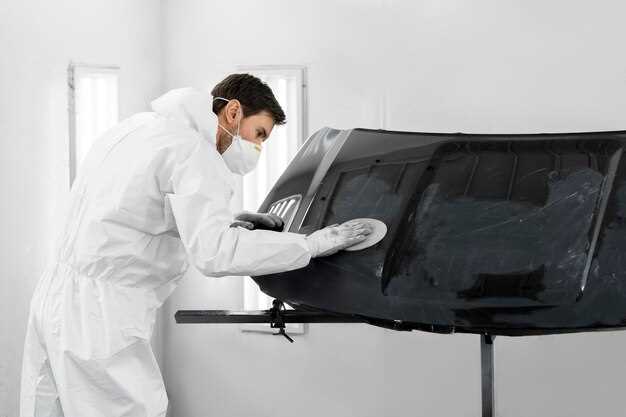
Installing carbon fiber body panels requires careful planning and execution to ensure optimal performance and longevity. One of the primary benefits of carbon fiber is its lightweight characteristic, which contributes to improved vehicle handling and efficiency. Before starting the installation process, it is crucial to gather all necessary tools and materials, including adhesive, protective gear, and panel-specific fasteners.
First, ensure that the vehicle’s surface is clean and free from debris. This step is essential, as it promotes better adhesion and prevents moisture from becoming trapped under the panel. Use a suitable cleaner and a soft cloth to prepare the area where the carbon fiber will be applied.
Next, carefully align the body panel with the vehicle. Precision is important, as improper alignment can lead to gaps and may compromise the panel’s integrity. Take your time during this step to ensure that the panel fits snugly against the vehicle’s frame.
Once aligned, it’s time to apply the adhesive. Choose a high-quality epoxy or bonding agent that is compatible with carbon fiber and ensure you follow the manufacturer’s instructions for application. Apply it evenly along the edges of the panel to create a strong bond.
After applying the adhesive, securely fasten the panel using any included hardware or additional clips to hold it in place while the adhesive cures. The weight savings from carbon fiber panels can enhance performance, but improperly attached panels may negate these benefits. Allow adequate time for the adhesive to cure fully before applying any stress to the new installation.
Finally, inspect the installation for any gaps or misalignments. Making adjustments at this stage can prevent future issues. Once satisfied, you can finish the installation by adding any protective coatings recommended for carbon fiber to enhance durability and aesthetics.
Maintenance Tips for Longevity of Carbon Fiber Panels
To ensure the longevity of your carbon fiber panels, regular maintenance is essential. First, always clean the surface with a gentle detergent and water to remove dirt and debris. Avoid abrasive cleaners or sponges that may scratch the fibers, as these can compromise the material’s integrity.
Inspect your panels routinely for any signs of damage, such as cracks or delamination. Early detection of these issues can prevent more significant problems and maintain the lightweight structure of the carbon. If you notice any damage, consult a professional for repair options; neglecting even minor issues can lead to increased weight and decreased performance.
When applying protective coatings, choose products specifically designed for carbon fiber. These coatings can shield the surface from UV rays and environmental pollutants that may deteriorate the material over time. Reapply these coatings periodically to ensure consistent protection.
Store your carbon fiber panels in a climate-controlled environment if possible. Extreme temperatures and humidity can adversely affect the structural properties of carbon fiber, leading to deterioration. When not in use, keep the panels covered to protect them from direct sunlight.
Finally, be cautious during installation and handling. The lightweight nature of carbon fiber makes it easy to manage, but it also means that improper handling can lead to accidental damage. Employ appropriate techniques and tools to avoid putting unnecessary stress on the material.
Comparing Carbon Fiber to Other Materials in Automotive Applications
When evaluating materials for automotive applications, carbon fiber stands out due to its unique properties. Compared to traditional materials like steel and aluminum, carbon fiber offers significant weight savings. This reduction in mass not only enhances vehicle performance but also improves fuel efficiency.
Carbon fiber’s high strength-to-weight ratio allows it to maintain structural integrity while being significantly lighter than steel. For instance, when replacing steel components with carbon fiber, manufacturers can achieve a drastic drop in weight, leading to better acceleration and handling characteristics.
In contrast, aluminum, while lighter than steel, does not match the exceptional strength of carbon fiber. Although aluminum provides some savings in weight, it can be less durable under high-stress conditions compared to carbon fiber composites. The latter exhibits superior resistance to impact and fatigue, making it an ideal choice for high-performance and luxury vehicles.
Additionally, the production of carbon fiber has become more efficient, which may lead to cost savings over time. As the technology advances, manufacturers are increasingly utilizing carbon fiber, resulting in lower costs and increased accessibility for a broader range of automotive applications.
Ultimately, the decision to use carbon fiber over other materials hinges on specific requirements. For those prioritizing performance, durability, and weight savings, carbon fiber represents a compelling option, setting a new standard in automotive design and engineering.