
When it comes to achieving maximum speed on the road, one often-overlooked factor is tire pressure. The right tire pressure not only enhances performance but also plays a crucial role in ensuring safety. Under-inflated tires can lead to increased rolling resistance, resulting in slower speeds and higher fuel consumption, while over-inflated tires can compromise grip, leading to reduced handling and a greater risk of blowouts.
Maintaining optimal tire pressure involves understanding the specific requirements of your vehicle and the conditions in which you are driving. Too high or too low pressure can negatively impact vehicle dynamics, making it imperative to regularly check and adjust tire inflations based on manufacturer recommendations and environmental factors. This proactive approach not only maximizes speed but also ensures a safer driving experience.
In conclusion, selecting the right tire pressure is essential for any driver seeking to enhance their performance on the road. Balancing speed with safety can significantly improve both your driving experience and the longevity of your tires, making regular maintenance an indispensable element of vehicle care.
Understanding Tire Pressure and Its Impact on Performance
Tire pressure plays a crucial role in determining the overall performance of a vehicle. It directly affects handling, traction, fuel efficiency, and comfort. Maintaining optimal tire pressure ensures that the tires perform at their best.
When tire pressure is too low, the contact area with the road increases, leading to greater rolling resistance. This not only reduces fuel efficiency but also affects acceleration and speed. Low pressure can cause excessive tire wear and increase the likelihood of blowouts, compromising safety.
Conversely, overinflated tires can lead to a smaller contact patch, resulting in reduced traction and a harsher ride. This can negatively impact the handling characteristics of the vehicle, particularly in cornering situations. Inadequate grip can lead to instability and longer stopping distances, which are detrimental to overall performance.
Finding the right balance in tire pressure is essential for maximizing speed. Manufacturers provide recommended pressures for different conditions, including racing or everyday driving. Regularly checking and adjusting tire pressure ensures that tires maintain their designed footprint, optimizing performance and enhancing the driving experience.
In conclusion, understanding and managing tire pressure is integral to achieving maximum speed and overall vehicle performance. Regular monitoring allows drivers to ensure their tires are operating efficiently, promoting safety and enhancing the driving dynamics.
How to Measure and Adjust Tire Pressure Accurately
Maintaining optimal tire pressure is essential for achieving maximum speed and performance. Accurate measurement and adjustment of tire pressure can enhance fuel efficiency, improve vehicle handling, and extend tire lifespan. Follow these steps to ensure your tires are at the correct pressure.
Tools Needed
- Tire pressure gauge
- Air compressor
- Owner’s manual for recommended tire pressure
Measuring Tire Pressure
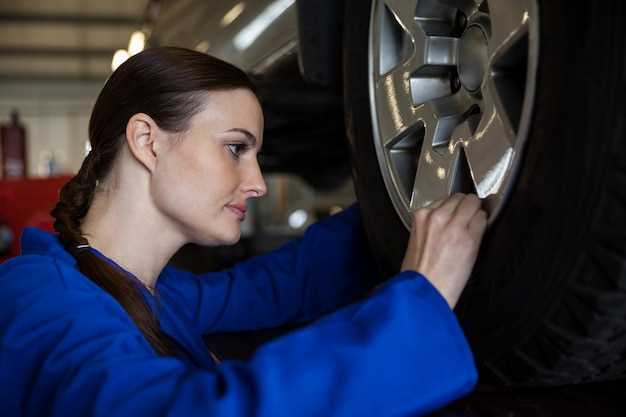
- Ensure you are checking the tire pressure when the tires are cold. This means driving less than a mile or waiting about three hours after the last drive.
- Remove the valve cap from the tire you wish to measure.
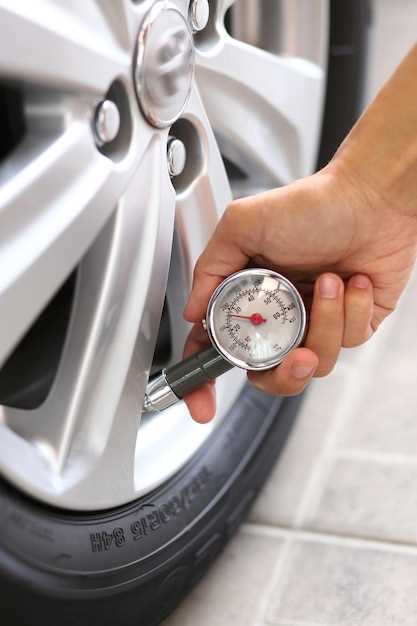
- Press the tire pressure gauge onto the valve stem quickly and firmly. A hissing noise indicates air escaping; read the gauge immediately.
- Note the pressure reading on the gauge. Compare this value to the recommendations in your owner’s manual or on the sticker usually found inside the driver’s door jamb.
Adjusting Tire Pressure
- If the measured pressure is below the recommended level, use an air compressor to inflate the tire. Recheck the pressure after adding air.
- If the pressure is too high, carefully release some air by pressing the valve stem until the desired pressure is reached.
- Replace the valve cap securely after adjustment to prevent air loss.
Regular Maintenance
Establish a routine check for tire pressure, ideally once a month and before long trips. This practice helps maintain optimal performance and safety.
By following these steps, you can accurately measure and adjust your tire pressure to enhance your vehicle’s speed and efficiency.
The Relationship Between Tire Pressure and Vehicle Speed
Tire pressure plays a crucial role in the overall performance of a vehicle, particularly when it comes to speed. Optimal tire pressure ensures that the contact patch–the area where the tire meets the road–is maximized, enhancing traction and, consequently, speed. When tires are properly inflated, they maintain their shape and provide the needed grip for acceleration and cornering. Conversely, under-inflated tires can lead to increased rolling resistance, which impedes speed and efficiency.
The impact of tire pressure on vehicle speed is also closely linked to safety. Properly inflated tires are necessary not only for speed but also for maintaining control and stability during high-speed maneuvers. A tire that is too soft may overheat and fail, especially at higher speeds. Thus, monitoring tire pressure is essential to achieve the balance between performance and safety.
In the table below, we summarize the influences of different tire pressures on vehicle speed and safety:
| Tire Pressure (psi) | Rolling Resistance | Impact on Speed | Safety Considerations |
|---|---|---|---|
| Low (e.g., 25 psi) | High | Reduced | Increased risk of blowout |
| Optimal (e.g., 30-35 psi) | Balanced | Maximized | Enhanced stability |
| High (e.g., 40 psi) | Low | Potentially reduced | Risk of uneven wear and poor grip |
Ultimately, maintaining the correct tire pressure is essential not only for achieving maximum speed but also for ensuring the safety of the driver and passengers. Regular checks and maintenance of tire pressure can lead to improved performance and a more enjoyable driving experience.
Identifying the Ideal Tire Pressure for Different Conditions
Choosing the right tire pressure is essential for achieving maximum speed while ensuring safety. The ideal tire pressure varies based on factors such as road conditions, weather, and load. Here are the key considerations for determining optimal tire pressure in different scenarios:
- Dry Pavement:
On dry and smooth surfaces, maintaining the manufacturer-recommended tire pressure is crucial. This pressure provides the best balance between speed and road grip.
- Wet Roads:
For wet conditions, slightly lower tire pressure can enhance contact with the road, improving traction. However, be cautious not to exceed safety limits.
- Pavement with Potholes:
In areas with uneven surfaces or potholes, a slightly higher tire pressure may reduce the risk of pinch flats. However, excessive pressure could compromise grip and safety.
- Off-Road:
When driving on unpaved or rocky surfaces, lower tire pressure can increase the tire’s footprint. This enhances stability and traction but may reduce maximum speed. Ensure safety by checking for potential tire damage.
- Load Considerations:
When carrying heavy loads, the tire pressure should be increased according to the vehicle’s specifications. This adjustment maintains safety and performance, preventing tire blowouts.
Always consult your vehicle’s manual for recommended tire pressure under varying conditions. Regularly check tire pressure before trips to ensure both safety and performance are optimized.
Remember, tire pressure is a crucial factor in maximizing speed while ensuring safe driving. Adjust accordingly to the conditions for the best results.
Safety Risks Associated with Incorrect Tire Pressure
Maintaining the correct tire pressure is crucial for ensuring vehicle safety. Incorrect pressure can lead to a range of safety risks that could endanger both the driver and other road users. When tire pressure is too low, it causes increased rolling resistance, which can result in overheating. This overheating may lead to tire blowouts, which can result in a loss of vehicle control.
On the other hand, excessively high tire pressure can make tires overly stiff, reducing the contact patch with the road surface. This can lead to a decrease in traction, particularly in wet conditions, significantly increasing the risk of skidding or hydroplaning. Both scenarios indicate that improper tire pressure directly impacts the vehicle’s handling and braking performance.
Moreover, incorrect tire pressure not only affects safety but also contributes to uneven tire wear. This can lead to premature tire replacement, creating additional financial burden and further heightening the risk of tire failure when most needed.
In summary, maintaining optimal tire pressure is not just a matter of performance but one of safety. Regular checks and adjustments can mitigate the risks associated with incorrect tire pressure, helping ensure a safer driving experience.
Monitoring Tire Pressure for Long-Term Performance Benefits
Maintaining the optimal tire pressure is essential for ensuring safety and achieving peak performance over time. Regularly monitoring tire pressure can significantly enhance the longevity of your tires while also contributing to better fuel efficiency and overall driving experience. When tires are inflated to the recommended pressure, they provide improved handling, increased traction, and reduced rolling resistance, all of which are crucial for maximizing speed.
Under-inflated tires can lead to uneven wear, reduced grip on the road, and an increased risk of tire blowouts, compromising safety. Conversely, over-inflated tires can cause a harsher ride and may lead to premature damage. Keeping tires at the proper pressure not only extends their lifespan but also improves fuel economy, thereby reducing long-term costs associated with tire replacements.
It is vital to check tire pressure regularly, ideally at least once a month and before long trips. Changes in temperature can affect tire pressure significantly, with cold weather often resulting in decreased pressure. Investing in a reliable tire pressure monitoring system can provide real-time updates and alerts, empowering drivers to take proactive measures.
Monitoring tire pressure is a simple yet effective strategy for enhancing vehicle performance and ensuring safety on the road. By committing to regular checks and adjustments, drivers can enjoy the benefits of reliable tire functionality while also maximizing their speed potential.